About Low Emissivity Glass
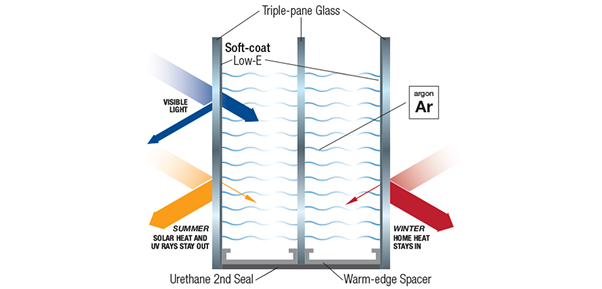
Low-E (low-emissivity) is a term used for a surface that radiates, or emits, low levels of radiant energy. This coating helps reduce heat transfer, improving energy efficiency by trapping heat inside in the winter and blocking it from entering in summer. Low-E glass is often used in double pane or triple pane windows and doors, with space filled with gas like argon to further enhance insulation.
How it works
Insulation
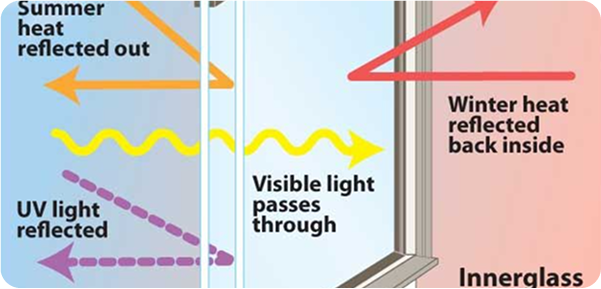
The low-emissivity coating on the glass reflects heat back into the house, preventing it from escaping to the colder outside during winter and keeping the house warmer.
Solar control
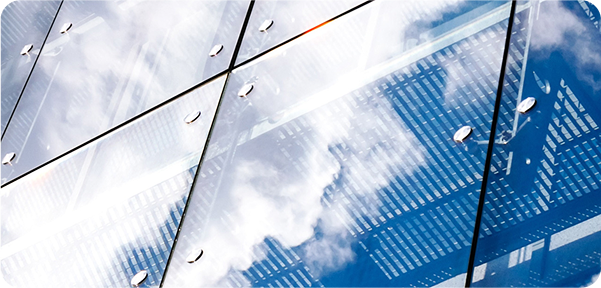
The summer, the coating on the glass reflects heat back out, Reducing the amount of heat that enters the house and keeping it cooler.
Multiple glazing
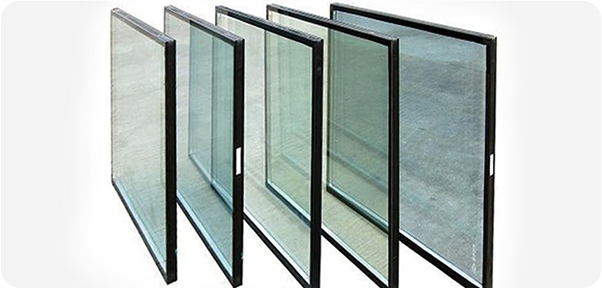
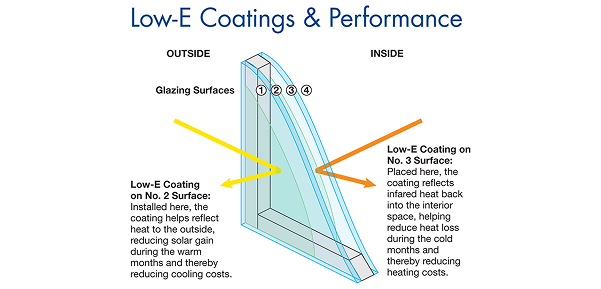
Insulated glass units often incorporate low-E coatings to further improve insulation by trapping air in thr space between panes, when it is then filled with inset gas like argon, further reducing heat transfer.
Benefits
Energy efficiency
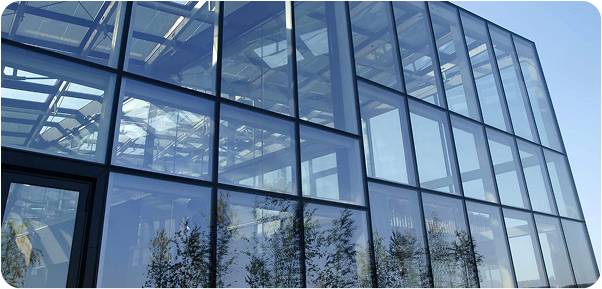
Low-E glass significantly reduces heat loss and gain through windows, leading to lower energy bills and reduce strain on heating and cooling system.
UV protection
Low-E coatings also help to block ultraviolet (UV) radiation, protecting furniture, carpets. And artwork from fading.
Types of low-E Coating
Passive low-E (Hard Coat)
Applied during the glass manufacturing process, these coatings offer a more durable and cost-effective option for colder climates.
Solar control low-E (Soft Coat)
These coatings are applied in a vacuum chamber and are more effective in reducing solar heat gain, making them ideal for warmer climates